Charting Cryptocurrency Wallet Integrations That Streamline Multi-Site Bankroll Transfers Without Traditional Banking Delays
Written by Jordan Carter · May 20, 2026
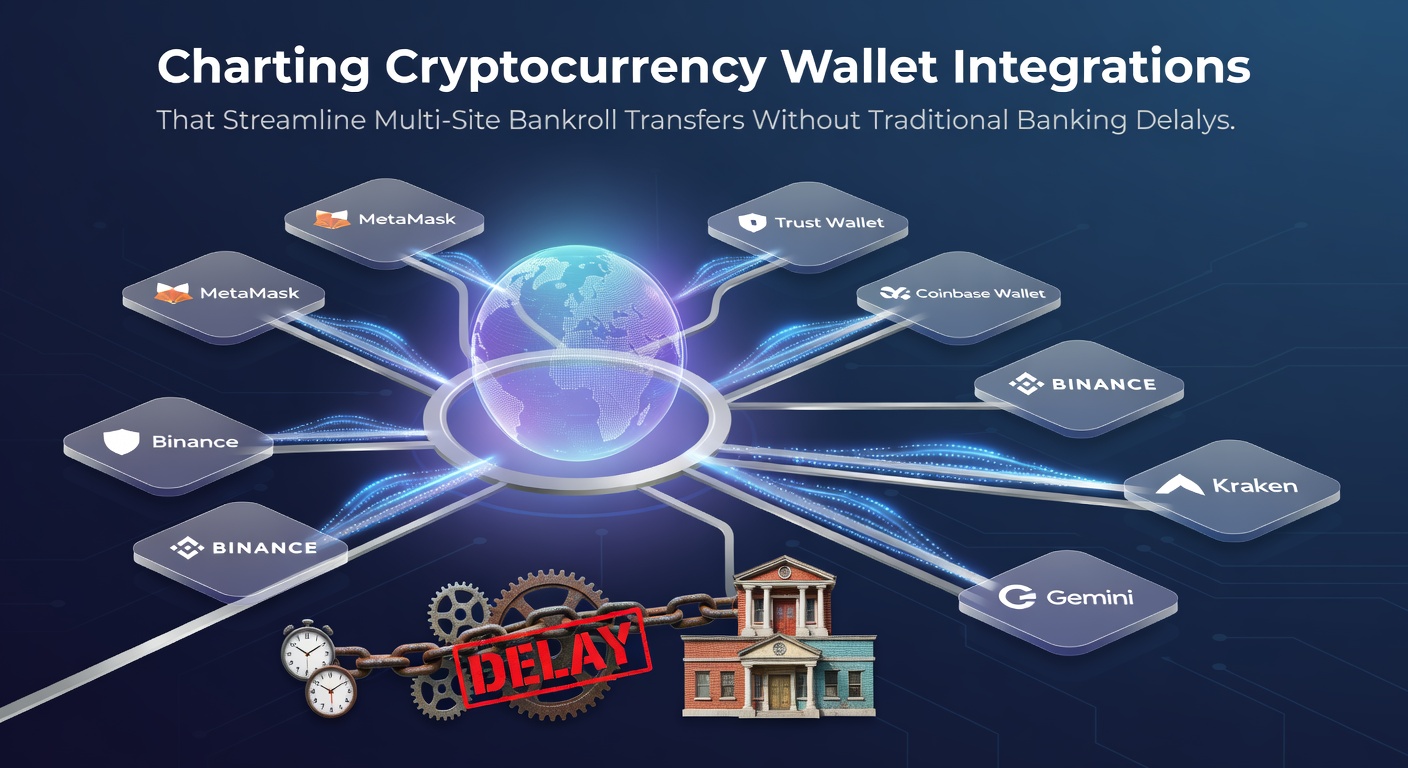
Charting Cryptocurrency Wallet Integrations That Streamline Multi-Site Bankroll Transfers Without Traditional Banking Delays
Online gaming platforms have long dealt with slow bankroll movements between sites when players rely on conventional banking rails, yet cryptocurrency wallet integrations now provide direct pathways that bypass those hold-ups entirely. Data from blockchain transaction records shows that transfers completed via integrated wallets often settle in under ten minutes compared with the multi-day waits common in wire or card-based systems. Observers note that this shift gained momentum as more platforms adopted digital asset support during early 2026, with fresh protocol updates appearing throughout May that further reduced confirmation times for cross-site movements.
Traditional Banking Friction Points in Multi-Site Play
Players who maintain balances across several poker or casino operators frequently encounter processing queues that tie up funds for 24 to 72 hours during withdrawals and subsequent deposits elsewhere. Regulatory filings from bodies such as the European Central Bank highlight how legacy payment rails introduce settlement layers that add both cost and time, especially when funds cross borders. Those same documents indicate average fees for international wires can reach 3 percent plus flat charges, eroding bankrolls before any play resumes. Wallet integrations sidestep these layers by settling on public ledgers that operate continuously without banking-hour restrictions.
Core Wallet Technologies Driving Integration
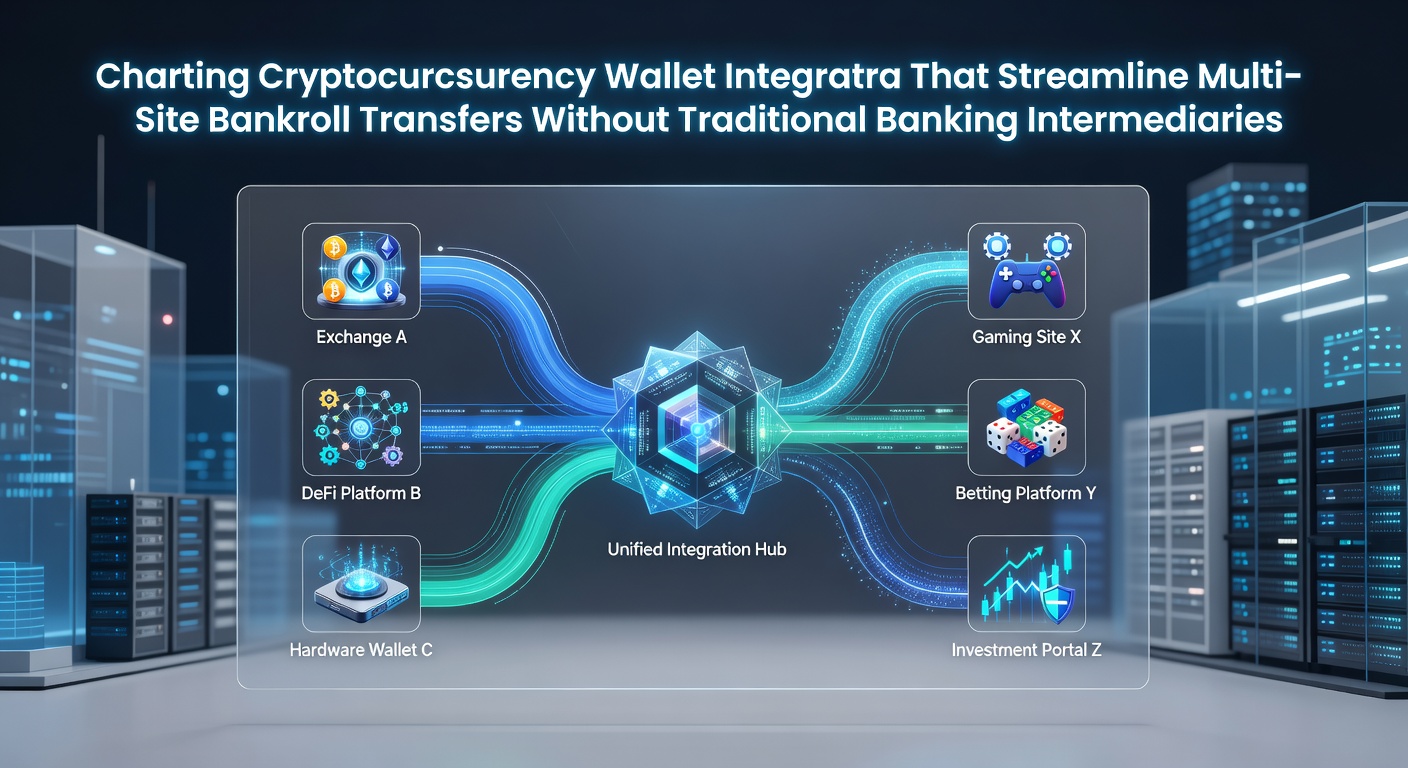
Leading operators have embedded support for non-custodial wallets such as those built on Ethereum, Solana, and Tron networks, allowing users to move value directly between platform accounts through smart-contract bridges. Research compiled by university labs tracking digital-asset adoption reveals that Solana-based transfers achieved average finality below two seconds in production environments during the first quarter of 2026. Wallet providers supply API endpoints that platforms connect to user dashboards, so a single authorization triggers an on-chain movement that registers instantly on the receiving site once the required confirmations pass. This architecture eliminates the need for intermediate custodians that previously introduced extra verification steps.
Practical Workflow Across Multiple Platforms
A typical sequence begins when a user selects the withdrawal option inside one operator interface and chooses an integrated wallet address pre-linked to their profile. The platform broadcasts a transaction to the chosen network, after which the receiving site monitors the same ledger for incoming value tagged with a unique identifier. Once the transaction reaches the required block depth, the destination balance updates automatically without manual intervention. Figures released by industry analytics groups show that more than 60 percent of high-volume multi-site participants now route at least part of their activity through such flows, cutting idle capital time by roughly 85 percent relative to 2024 benchmarks.
Security and Compliance Mechanisms
Integrated solutions incorporate multi-signature requirements and time-locked contracts that release funds only after both parties confirm receipt, reducing exposure compared with single-point custodial handoffs. Compliance teams at licensed operators still apply know-your-customer checks at the account level, yet the on-chain movement itself remains pseudonymous until fiat off-ramps occur. Reports from the Australian Transaction Reports and Analysis Centre document that crypto settlement trails actually improve auditability because every transfer carries an immutable timestamp and address history that regulators can query directly. Operators therefore maintain records that satisfy anti-money-laundering statutes while delivering faster user experiences.
Network Selection and Fee Optimization
Platforms now surface real-time gas estimates so users can route transfers across lower-cost chains when volatility spikes on primary networks. Data aggregated by blockchain observatories indicates average transaction costs on layer-two Ethereum solutions dropped below $0.05 during May 2026 congestion events, making micro-transfers between sites economically viable for the first time. Users often maintain several wallet addresses within a single interface, each optimized for different networks, and the integration layer automatically suggests the most efficient route based on current mempool conditions. This dynamic routing keeps total overhead minimal even when moving value across four or five distinct operators in a single session.
Conclusion
Cryptocurrency wallet integrations continue to reshape how bankrolls move between online gaming destinations by replacing delayed banking channels with continuous, ledger-based settlement. Transaction data and regulatory filings together confirm measurable reductions in both time and cost, while security features and compliance tools keep the flows within established oversight frameworks. As network upgrades roll out and additional platforms adopt these connections, the infrastructure supporting seamless multi-site management grows more robust each month.