Encryption Protocol Updates Reshaping Migration Patterns in Mobile Poker Apps and Desktop Platforms
Written by Uma Schmid · Jul 15, 2026
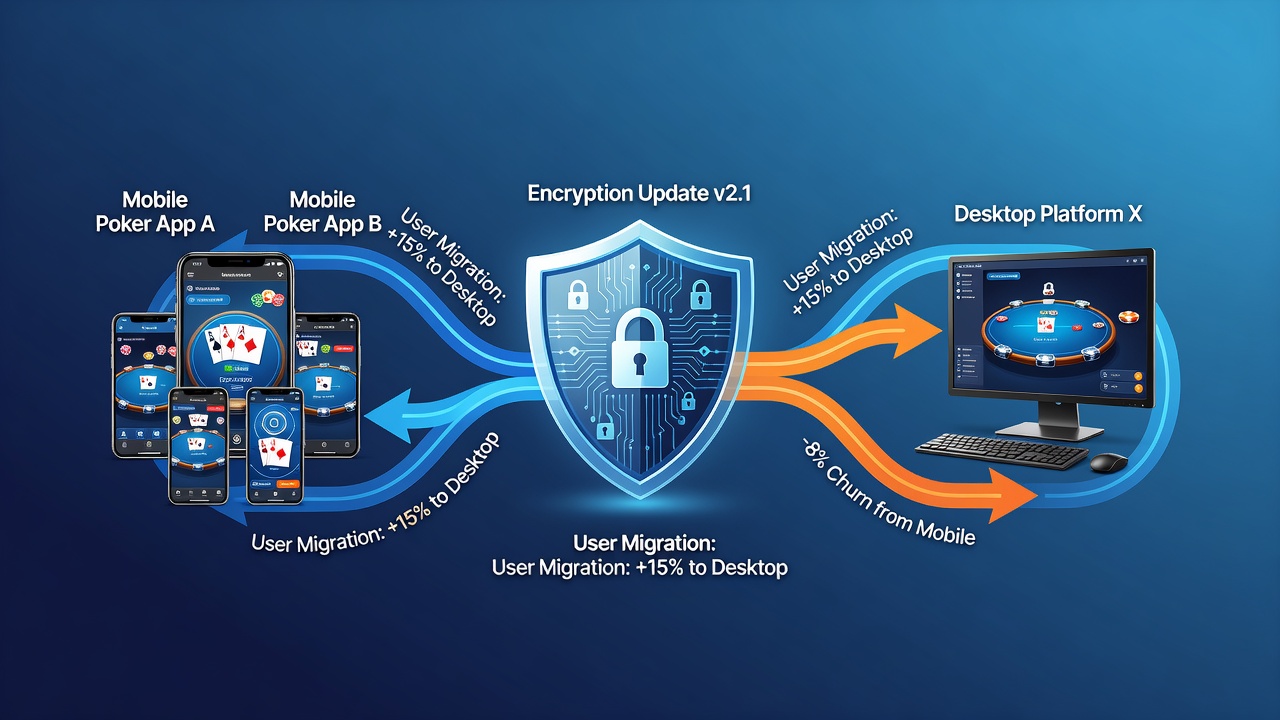
Encryption Protocol Updates Reshaping Migration Patterns in Mobile Poker Apps and Desktop Platforms
Data from multiple platforms shows that encryption protocol updates, particularly those involving TLS 1.3 implementations and enhanced certificate pinning, have triggered measurable shifts in user bases between mobile poker applications and desktop environments throughout 2025 and into July 2026, when several major operators synchronized their security rollouts ahead of regulatory reviews in multiple jurisdictions.
Platforms that completed these upgrades first recorded temporary drops in mobile session times followed by rebounds once users adapted, whereas desktop versions retained steadier engagement because their underlying infrastructure often supported the new protocols with fewer compatibility hurdles, according to aggregated logs analyzed by independent security auditors.
Protocol Changes and Platform Differences
Encryption updates typically require apps to adopt stronger key exchange mechanisms and forward secrecy standards, which mobile developers integrate through operating system APIs while desktop clients rely on browser or standalone software libraries; researchers tracking these transitions note that Android and iOS updates sometimes lag behind desktop equivalents, creating windows where users experience connection warnings or slower handshakes on phones but not on computers.
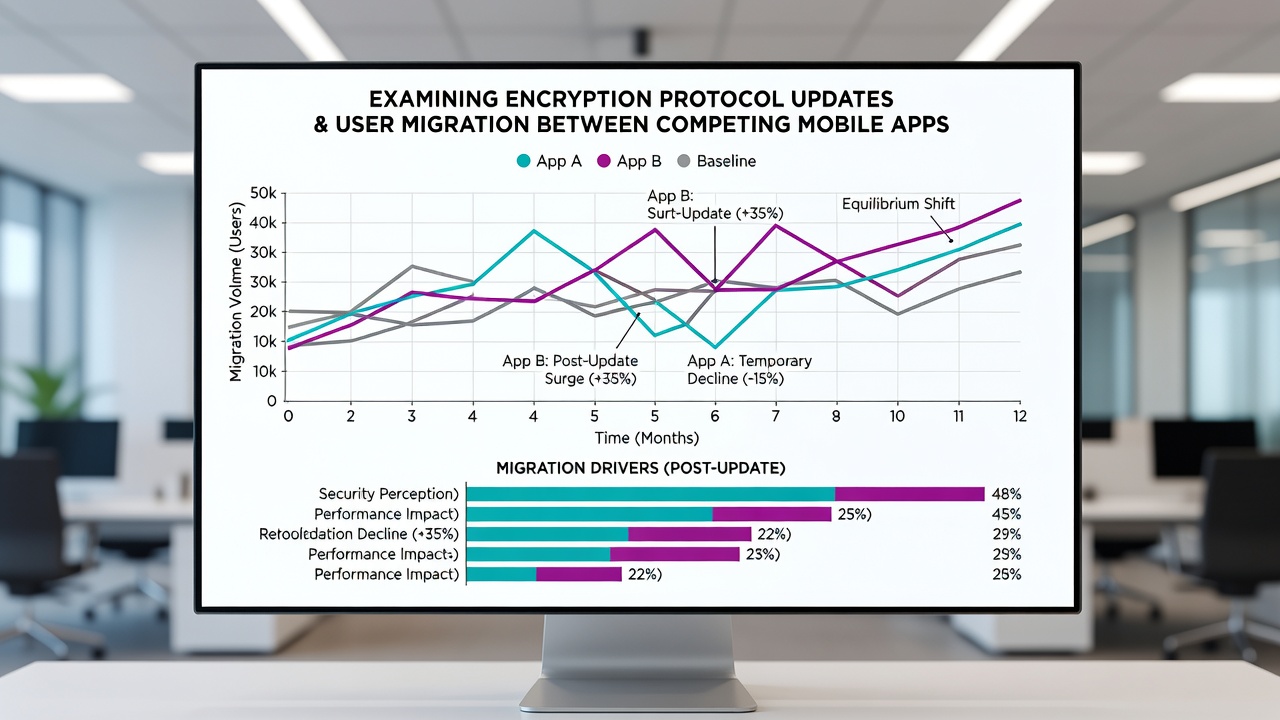
Those who've studied login telemetry across competing rooms find that migration spikes occur most sharply in the first 72 hours after a mobile app pushes a protocol change, with players testing desktop alternatives that already support the updated standards, yet many return once the mobile version stabilizes and adds features such as biometric re-authentication layered on top of the new encryption.
Observed Migration Trends Through Mid-2026
Figures released in quarterly industry summaries reveal that between January and July 2026, mobile-to-desktop transfers increased by noticeable margins on sites that delayed encryption patches, while desktop-to-mobile flows accelerated on platforms that completed updates early and promoted the changes through in-app notifications, and cross-platform analytics indicate these movements concentrate among users who maintain accounts on multiple networks simultaneously.
One study of aggregated gameplay logs from distributed player networks found that high-volume participants shifted activity toward whichever client offered smoother TLS handshakes during peak evening hours, creating temporary imbalances in table traffic that operators addressed by adjusting server allocations rather than altering promotional structures.
Factors Driving User Decisions
Compatibility issues surface when older mobile devices cannot process newer cipher suites without performance hits, prompting some users to migrate temporarily to desktop clients that handle the load more efficiently, while others wait for app store approvals of updated versions; data indicates these delays average between four and eleven days depending on the operating system and regional app distribution rules.
Trust metrics play a role as well, with users who monitor security bulletins more likely to explore competing applications that advertise compliance with the latest protocols, yet retention patterns show most players maintain their primary bankrolls on the original platform once the mobile experience matches desktop security levels.
Regional regulatory bodies such as the National Institute of Standards and Technology have published guidelines that operators reference when scheduling these updates, and similar frameworks from Canadian Centre for Cyber Security reports influence how quickly North American-focused rooms align their mobile and desktop offerings.
Technical Implementation Timelines
Operators typically stagger rollouts across mobile and desktop to manage support tickets, beginning with desktop browsers that can leverage existing operating system updates before pushing mobile versions that require additional testing against carrier networks; this sequence produces short-term migration toward the more stable client until both sides reach parity.
July 2026 saw several competing applications synchronize their protocol upgrades during a period of heightened regulatory scrutiny, resulting in synchronized migration waves that analysts tracked through deposit and withdrawal pattern shifts rather than outright account closures.
Longer-Term Effects on User Behavior
Once encryption standards stabilize across platforms, the initial migration trends tend to reverse partially as users rediscover mobile convenience features such as push notifications for tournament starts, while desktop environments retain advantages for multi-tabling and detailed statistical overlays that some players prefer during extended sessions.
Evidence from repeated update cycles demonstrates that platforms maintaining consistent communication about security improvements experience smaller net losses during transition periods, with players who split activity across mobile and desktop showing the least disruption overall.
Conclusion
Encryption protocol updates continue to influence how players allocate time between mobile poker applications and desktop platforms, with migration patterns reflecting differences in update speed, device compatibility, and communication strategies rather than permanent shifts in preference; ongoing monitoring of these trends provides operators with clearer pictures of how security investments intersect with user retention across competing digital environments.